About the company
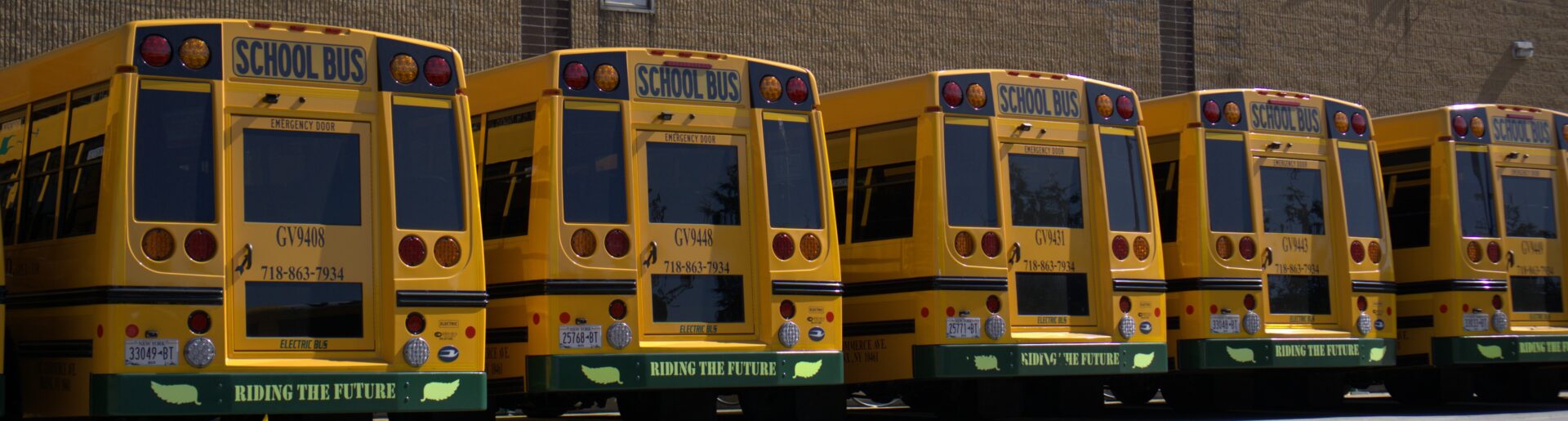
GVC Ltd : Riding the Future
GVC is a leading school transportation provider serving New York City, with a strong presence in the Bronx and a long-standing commitment to student safety, service reliability, and innovation.
Known for transporting pre-K students with special needs, GVC has built its reputation around three core principles:
- Safety First,
- On-Time Service
- Green Fleet.
GVC Ltd. was named Best Bus Company in the Bronx for three consecutive years - 2023, 2024 and 2025 - in the Bronx Times' Best of the Bronx awards.
As New York State accelerates its transition toward zero-emission school transportation, GVC has emerged as one of the region's most ambitious fleet operators, embracing electrification not just as a compliance requirement, but as a strategic investment in the health and well-being of the communities it serves.
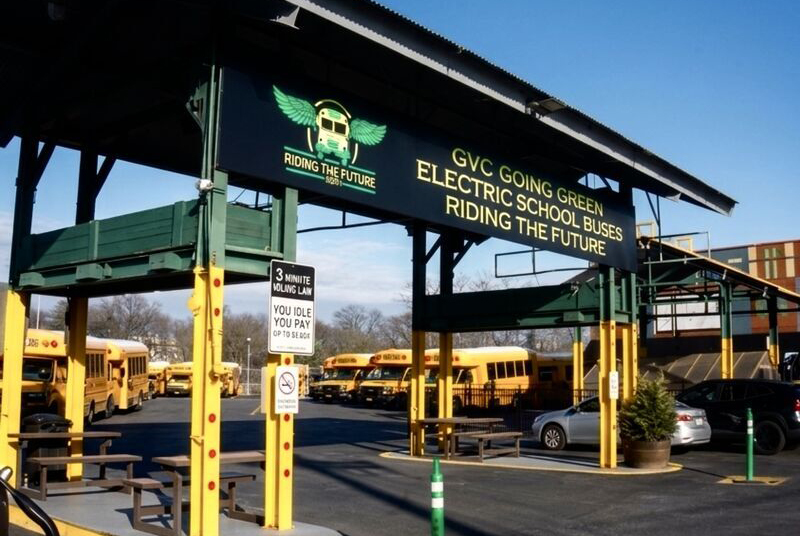
In a borough where childhood asthma rates remain among the highest in New York City, GVC recognizes that every electric mile traveled contributes to a healthier future for local families, an approach also valued by drivers for the quieter, smoother experience of electric buses.
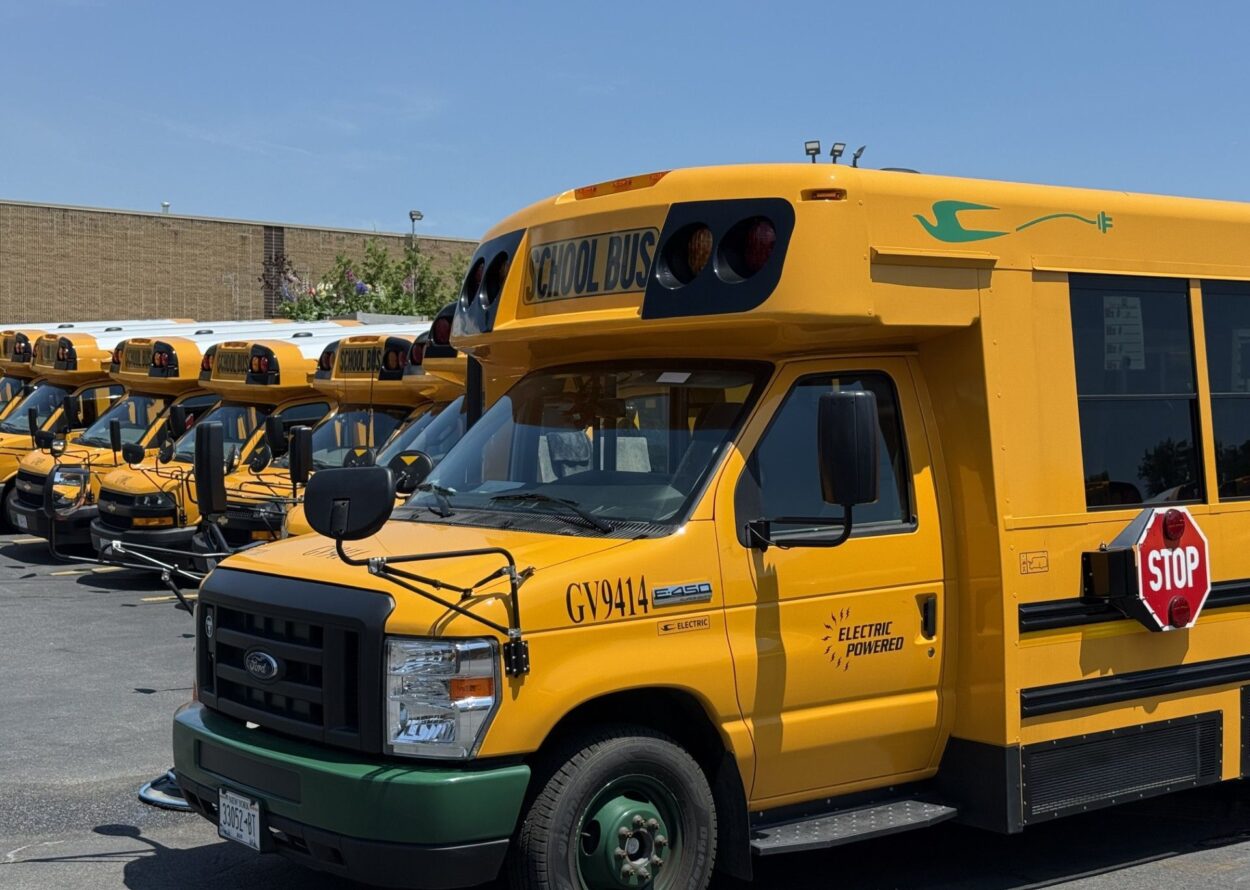
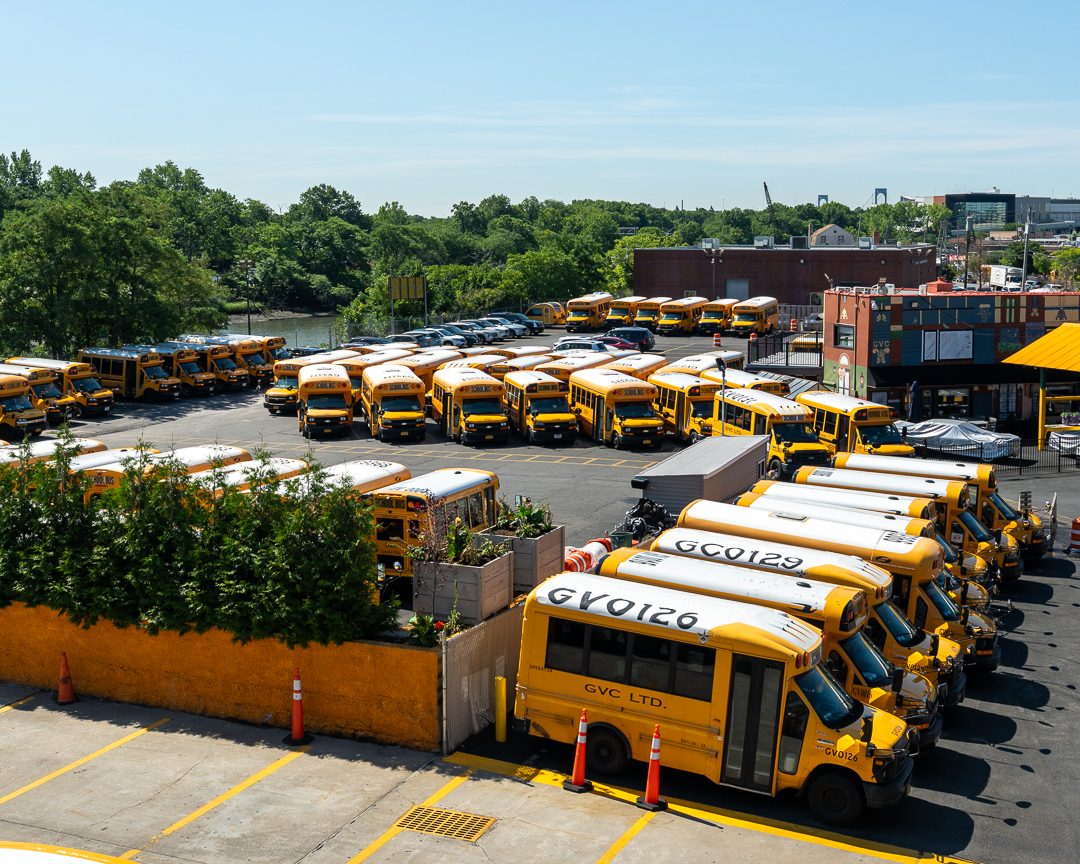
Today, GVC operates New York State's largest electric school bus fleet, with the deployment of 45 electric buses serving hundreds of students throughout the Bronx. The company's electrification vision is driven by a desire to improve local air quality, reduce transportation-related emissions, and provide a quieter, cleaner transportation experience for both students and drivers.
The Challenge
GVC Ltd. found itself at a pivotal moment in its electrification journey. Like many fleet operators across New York State, GVC recognized the opportunity presented by the state's school bus electrification initiatives and available funding programs.
The NYSERDA Fleet Electrification Plan (FEP) program provided an opportunity to assess the feasibility of the transition and establish a strategic foundation. However, GVC required more than a high-level study. They needed an actionable implementation plan capable of moving the project from concept to execution.
Through a combination of state and federal funding programs, the company had secured support for the deployment of 45 electric school buses. While this represented a significant opportunity, it also created an immediate challenge: GVC had committed to a large-scale fleet transition without having the infrastructure, deployment strategy, or implementation roadmap required to support it.
At the outset, critical questions remained unanswered.
- Where should the first electric buses be deployed?
- How would charging infrastructure be integrated into existing facilities?
- What utility upgrades would be required?
- How could future expansion be incorporated without creating stranded investments or operational disruptions?
Although GVC possessed extensive expertise in student transportation, electrifying a fleet of this scale introduced a new level of complexity involving infrastructure planning, grants & utility funding compliance, multiple stakeholders coordination, vehicle deployment strategies, software integration, and long-term operational planning.
Rather than simply replacing vehicles, GVC needed a comprehensive roadmap to deploy scalable infrastructure, maximize available funding opportunities, and ensure a smooth transition to a high-performing, scalable, and sustainable electric fleet.
"Polara’s Fleet Electrification Plan delivered a clear, actionable roadmap aligned with our operational reality and EV deployment phases. Their guidance reduced risks and accelerated our decision-making.
Their professionalism and attention to detail ensured an effective FEP for operational purposes and unlocked additional financial incentives."
Michael Townsend, Compliance Officer, GVC Ltd.
The company sought answers to several critical questions:
- How should the deployment of 45 electric buses be phased across multiple locations and operational requirements?
- How should an electric fleet deployment be phased to minimize operational disruption?
- What charging infrastructure and electrical upgrades would be needed today and in future expansion phases?
- How could available incentives and funding opportunities be maximized to reduce project costs?
- How could utilities, funding agencies, contractors, vehicle manufacturers, and internal teams be aligned around a single deployment strategy?
- What systems and software would be required to manage charging operations effectively as the fleet grew?
Beyond the technical considerations, GVC needed a future-proof solution capable of supporting long-term growth. The objective was not simply to install chargers, but to establish a scalable foundation for electrifying an entire fleet over multiple deployment phases while maintaining service quality for students and communities across the Bronx.
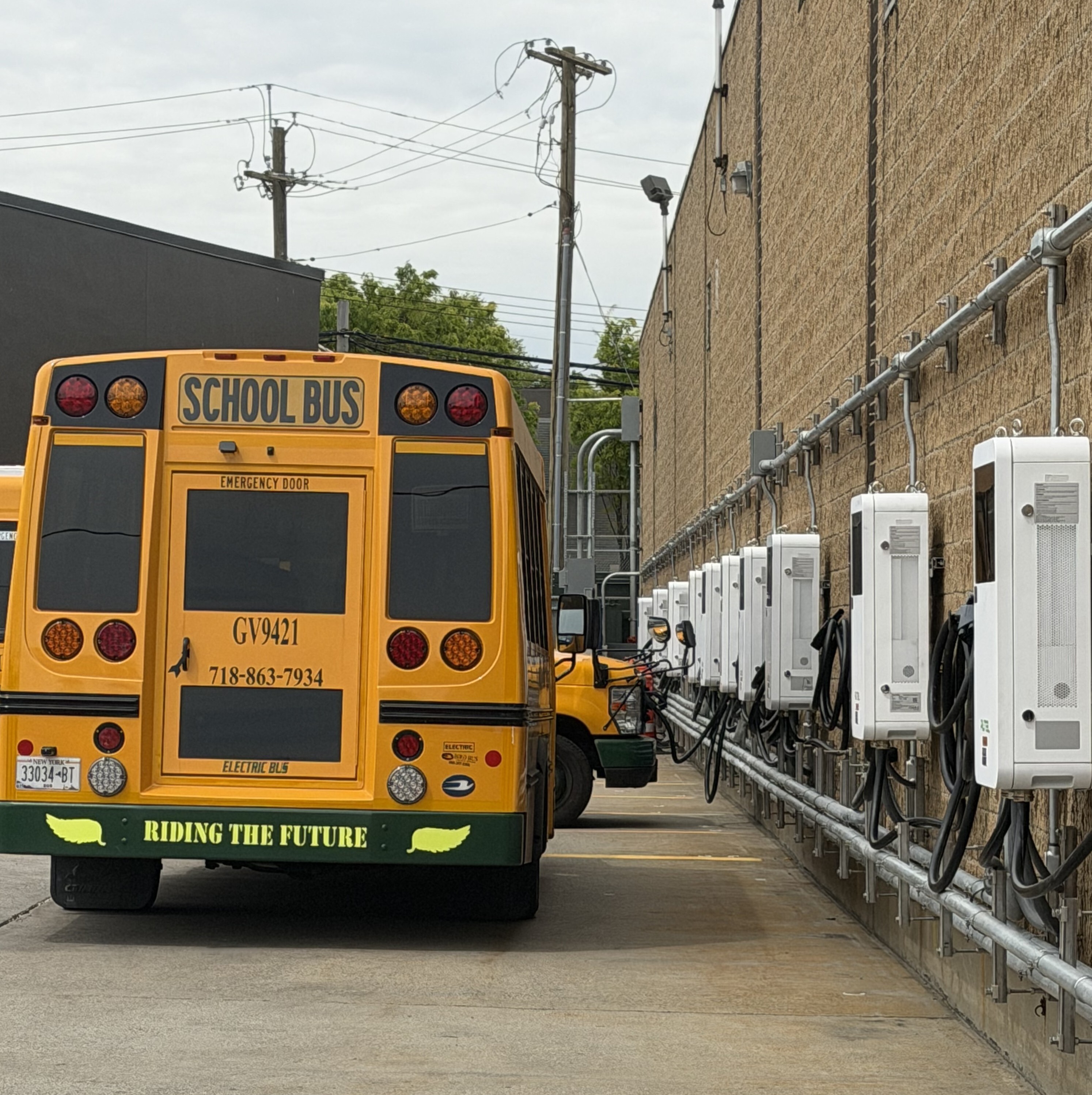
Working closely with GVC, Polara delivered far more than a traditional Fleet Electrification Plan. Building on the feasibility analysis, the team provided directly actionable engineering guidance, charging infrastructure planning, software strategy, construction support, and implementation recommendations. The result was a practical, future-ready roadmap that gave GVC the confidence and clarity needed to transition from funding approval to active deployment.
Key challenges included:
- Limited internal expertise in fleet electrification and infrastructure planning
- Uncertainty around the application process and available incentives
- Difficulty translating high-level goals into an actionable roadmap
- Managing risk while maintaining ongoing operations
- Navigating technical and financial complexity in a new regulatory and operational environment
The Solution
Turning complexity into progress with a fully managed approach. Polara worked alongside GVC to deliver a comprehensive, turnkey electrification strategy, from funding and planning through infrastructure deployment and ongoing energy management.
The engagement began with a NYSERDA-funded Fleet Electrification Plan (FEP), allowing Polara to assess operational requirements, evaluate energy needs, and develop a phased roadmap aligned with GVC's long-term objectives.
The clarity and confidence provided through the FEP laid the groundwork for GVC’s decision to select Polara's team for the next phase, as Michael Townsend, Compliance Officer at GVC Ltd., explains: "Choosing Polara to move forward with the installation of our EV charging infrastructure was not only an obvious choice but, most importantly, the right choice."
Polara continued supporting GVC through the implementation phase, managing the entire charging infrastructure project. From engineering and stakeholder coordination to infrastructure planning, construction, and commissioning, the team ensured seamless project execution while preparing for future phases of fleet growth.
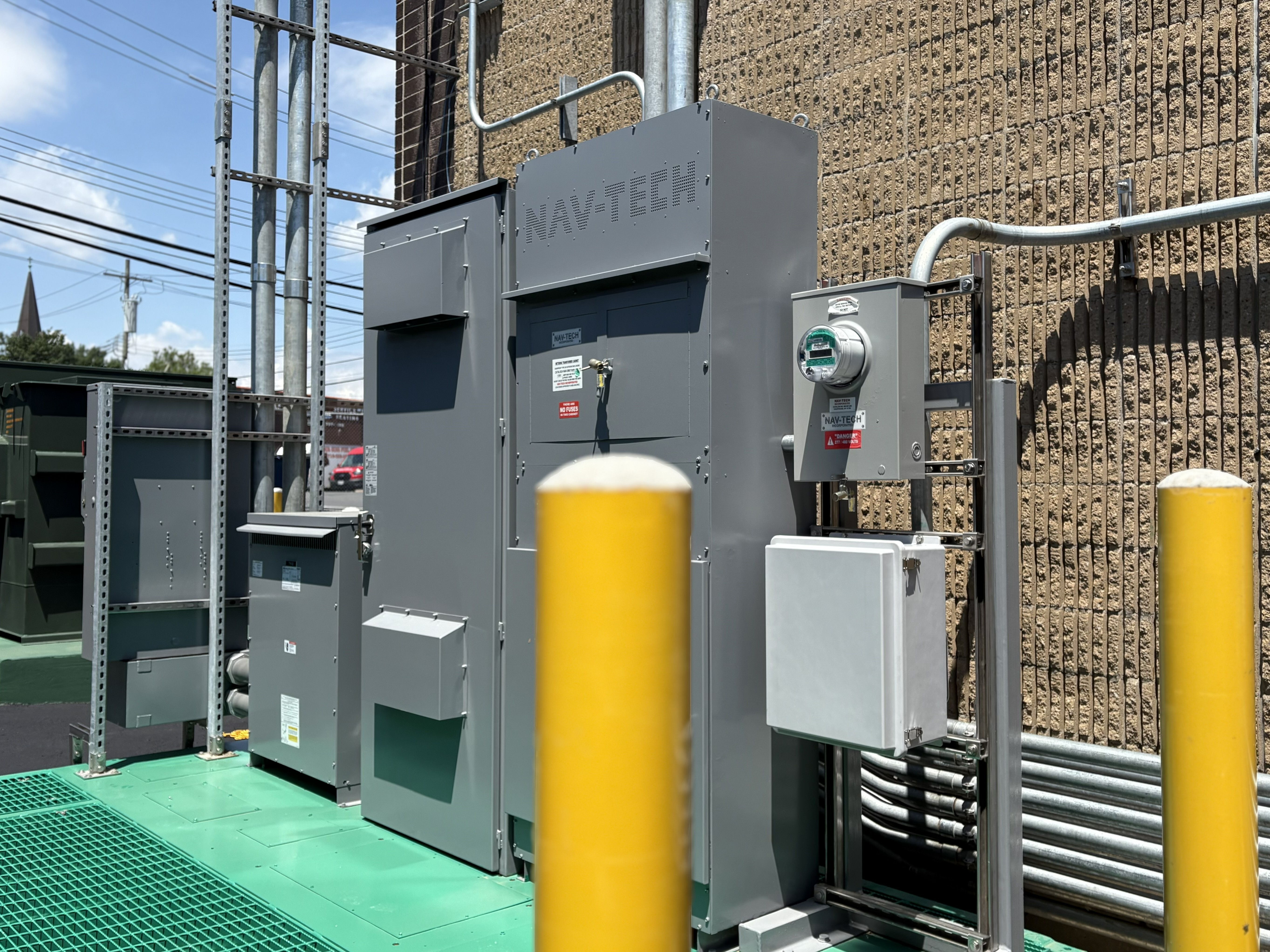
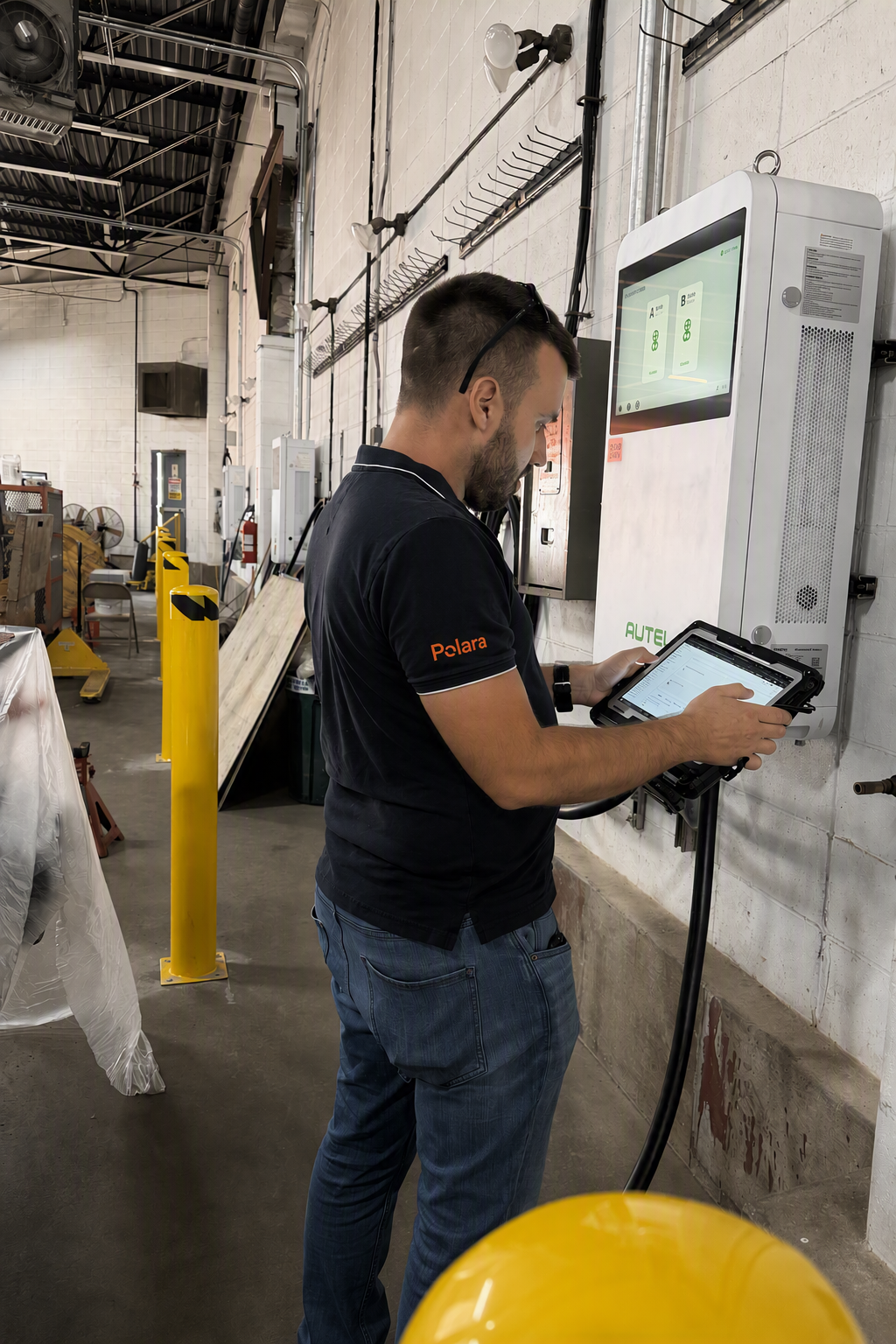
GVC partnered with Polara that provided the equipment, hardware, engineering services and end-to-end support :
- Dedicated support and practical guidance to solve issues, maximize project value and ROI
- Fleet and operational analysis to define realistic electrification scenarios for GVC
- Grant application for the Fleet Electrification Plan covered 100% by NYSERDA
- Infrastructure engineering and capacity planning
- Clear roadmap delivery, outlining next steps, timelines, and investment priorities for GVC
- Grant identification, application, and funding support
- Charging infrastructure planning, aligned with GVC daily routes and depot constraints
- Utility coordination with Con Edison
- Contractor management and commissioning
- Project coordination, scheduling and stakeholder communications
- Smart charging and energy optimization through the Cleo platform
The Result
The project has become a landmark achievement for school transportation electrification in New York State.
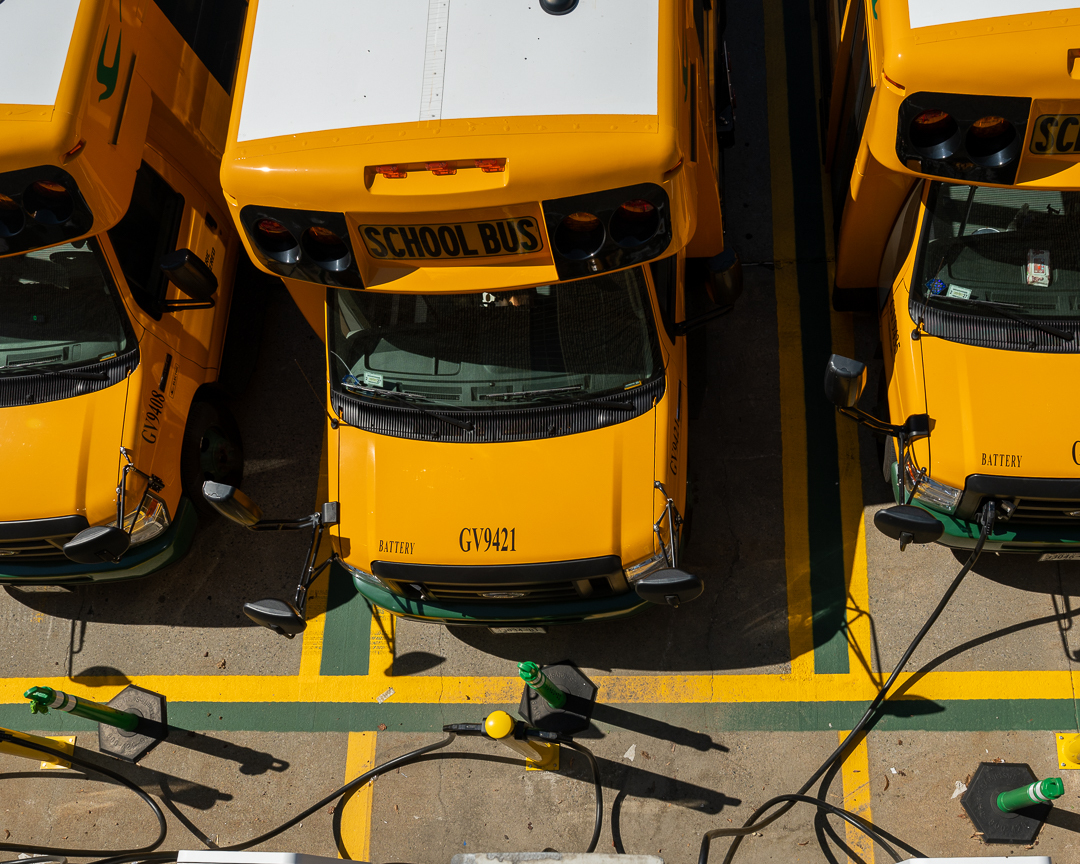
GVC successfully deployed infrastructure supporting 45 electric school buses, establishing the largest electric school bus charging deployment in New York State and creating a scalable model that other transportation operators can follow.
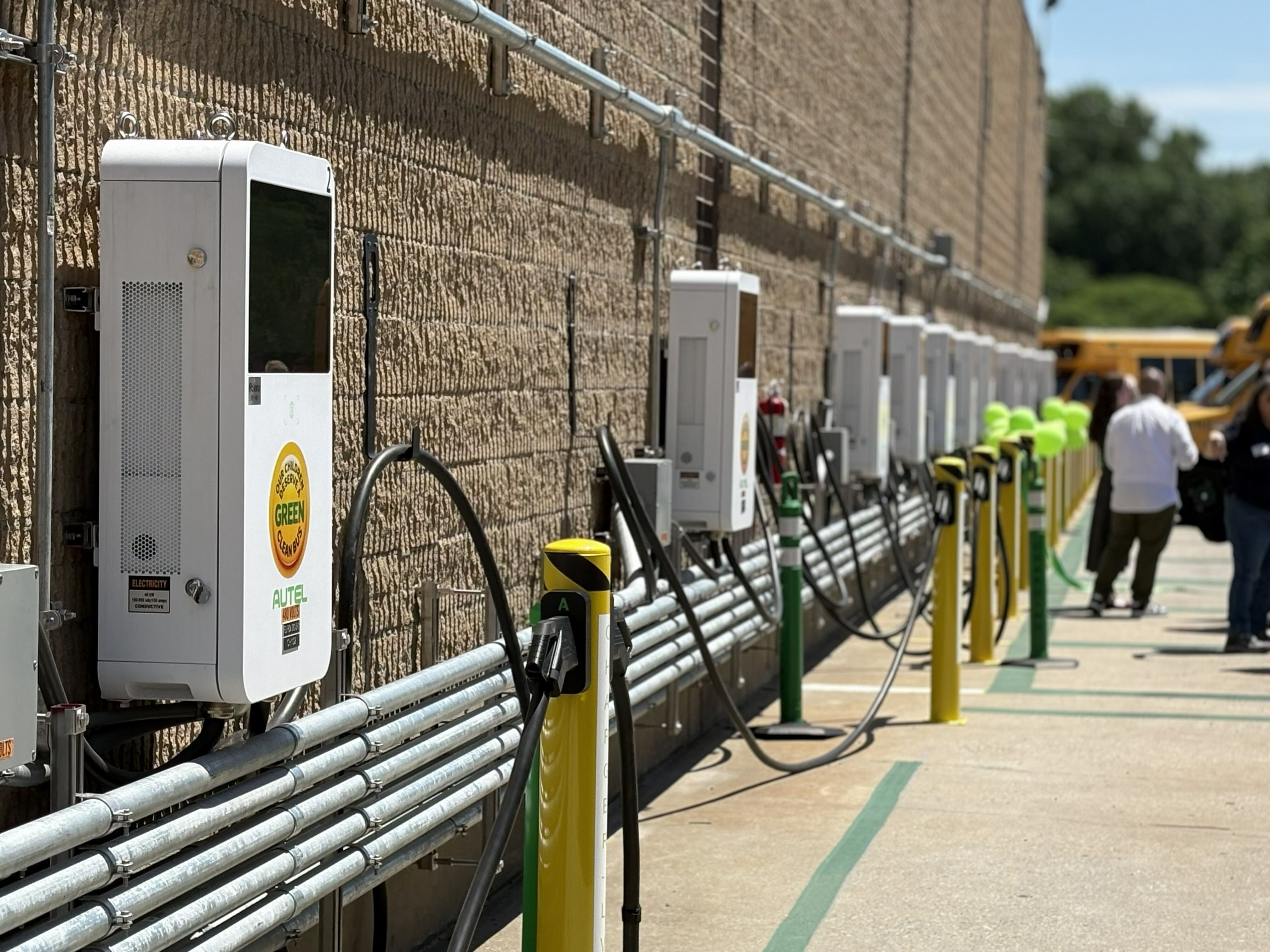
What made the project particularly complex was the number of stakeholders, funding streams, and parallel workstreams that needed to be coordinated throughout the planning process. Together, GVC and Polara worked closely with Con Edison, NYSERDA, charging equipment providers, engineering advisors, installation partners, and other industry stakeholders to align infrastructure planning with fleet deployment objectives.
While GVC pursued additional state, federal, and utility funding opportunities beyond the scope of the Fleet Electrification Plan during the project, Polara led and coordinated a multi-stakeholder ecosystem providing strategic guidance and technical support throughout the process, ensuring project milestones were achieved on schedule.
" Polara managed our entire charging infrastructure project with rigor and responsiveness, ensuring timely commissioning. Their ability to coordinate seamlessly across stakeholders gave us real confidence and peace of mind. They were engaging, diligent, and stood shoulder to shoulder with us throughout the project."
Michael Townsend, Compliance Officer, GVC Ltd.
By helping to navigate infrastructure requirements, funding programs, utility considerations, software planning, and implementation pathways, Polara enabled GVC to make informed decisions while maintaining focus on its core transportation operations.
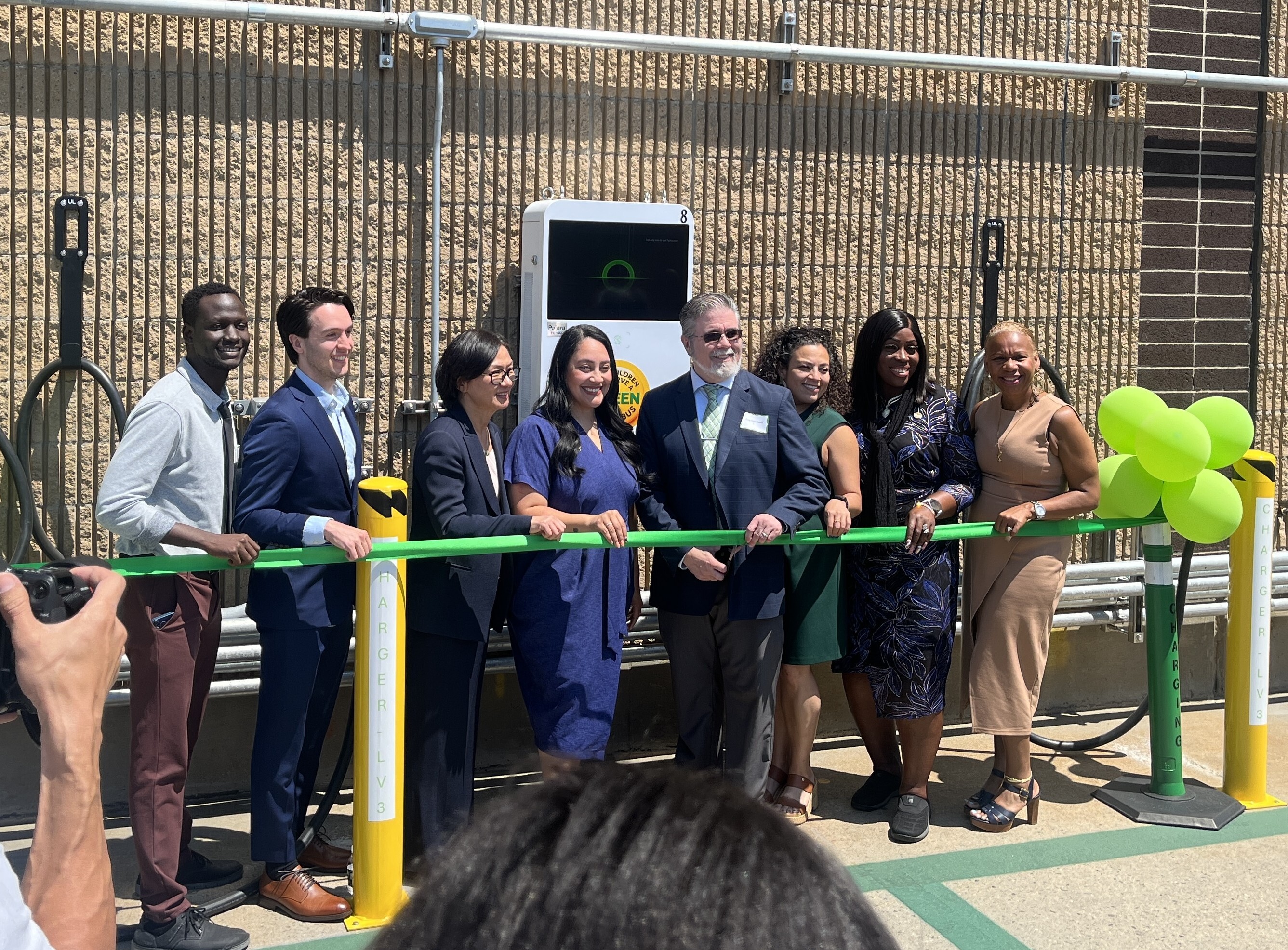
The resulting deployment included nearly 1 MW of charging capacity, a network of 46 charging ports, and infrastructure designed to support expansion toward more charging points as fleet electrification progresses. Through the Cleo energy management platform, the site is also positioned to support advanced load management strategies, helping maximize infrastructure value and long-term operational efficiency. V2G opportunities have also been considered as part of a potential second phase of charger deployments.
Key project outcomes include:
- 45 electric school buses deployed
- 46 charging ports supporting fleet operations
- Approximately 1 MW of installed energy capacity
- More than $2 million in secured funding through NYSERDA and Con Edison programs
- Future-ready infrastructure designed for fleet expansion, with smart charging, energy management and future vehicle-to-grid (V2G) capabilities
Beyond the numbers, the project delivers meaningful environmental and community benefits. The transition to electric buses contributes to cleaner air in the Bronx, supports healthier communities, and provides quieter transportation experiences for students, including those with special needs who may be more sensitive to noise and vehicle emissions. Drivers have also reported positive experiences with the smoother and quieter operation of electric buses.
For GVC, the partnership with Polara transformed what initially seemed like a complex and uncertain undertaking into a structured, achievable path toward electrification. The project demonstrates how expert planning, funding optimization, stakeholder coordination, and intelligent energy management can help fleet operators accelerate their transition while minimizing risk. As additional phases move forward, GVC now has a scalable foundation capable of supporting long-term fleet growth and continued leadership in sustainable student transportation.
- Case Studies
- School Transportation